7 Essential Steps to Start Trading as a Beginner
· based on the channel Sierra Aaliyah
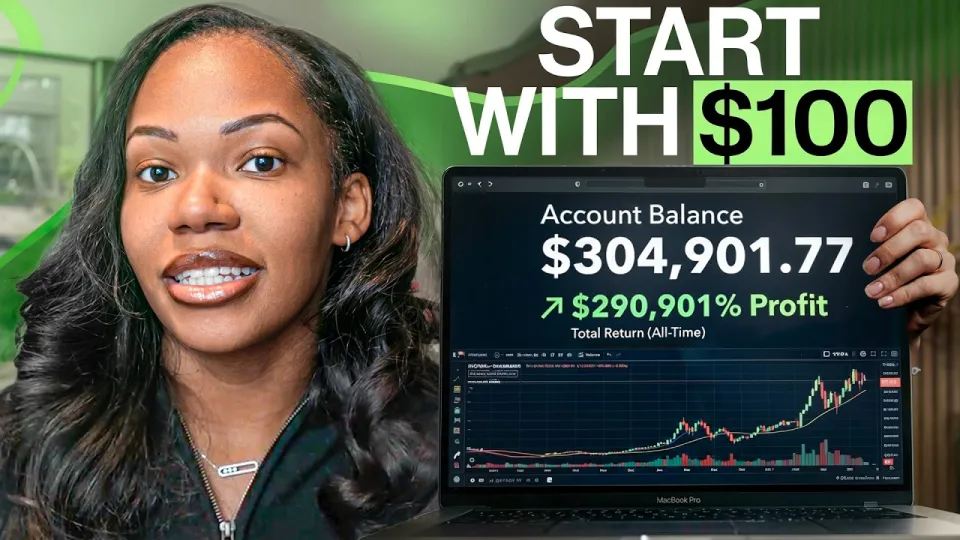
Video: How To Start Trading As A Beginner In 2026 (Step-by-Step)
Trading is the process of buying and selling financial instruments like stocks, options, or futures to profit from price movements. For beginners, starting trading means understanding basic concepts, managing risk, and practicing before committing real money. You can begin with as little as $300 and gradually build your skills and capital by following a structured approach like the one shared by Sierra Aaliyah, a successful self-taught trader. To get started, consider joining her Crystal Academy trading Discord for mentorship and guidance.
What Trading Actually Means and What It Is Not
Trading is not a get-rich-quick scheme or gambling; it's an informed activity based on market knowledge, technical analysis, and risk management. It involves buying assets at a lower price and selling them at a higher price (or vice versa) within short or long time frames. Unlike investing, which often aims for long-term growth, trading focuses on short-term opportunities. New traders should avoid myths that you need large capital like $50,000 to start — successful beginners often start with $300 to $2,000.
Understanding Calls and Puts in Options Trading
Options trading is a popular way to enter markets with defined risk and leverage. Calls are contracts that give the right to buy an asset at a set price before expiration, benefiting when prices rise. Puts give the right to sell an asset, benefiting when prices fall. Understanding calls vs puts is crucial before trading options. This clear grasp helps in building strategies like hedging or speculation without confusion.
Choosing Between Options and Futures Based on Your Schedule
Options and futures are derivatives with different risk profiles and time commitments. Options offer flexibility with various expirations and strike prices, suitable for traders balancing other commitments. Futures are standardized contracts with fixed expiry, often requiring more attention and margin. Beginners should assess their availability and risk tolerance: options can fit part-time schedules better, while futures may suit more active traders.
The Three Core Concepts Every Beginner Must Master
Before entering live trading, mastering these concepts is essential:
- Market Structure: Understanding trends, support, and resistance levels.
- Candlestick Reading: Recognizing price action patterns for entry and exit.
- Risk Management: Calculating position sizes and setting stop losses to protect capital.
- These foundational skills reduce losses and improve decision-making.
Practicing with Paper Trading and Using the Right Platforms
Paper trading means trading with simulated money to practice strategies without financial risk. Sierra Aaliyah emphasizes paper trading until you can reliably double a virtual $1,000 account, proving your edge before risking real funds. Recommended platforms include Webull for brokerage and TradingView for charting. Both provide user-friendly interfaces and essential tools for beginners.
Common Beginner Challenges and How to Overcome Them
Most beginners quit within the first two months due to impatience, emotional trading, and lack of consistent strategy. Common struggles include frequent losses, confusing charts, and unrealistic profit expectations. To avoid quitting:
- Develop patience and view trading as a skill-building journey.
- Avoid overtrading and reacting to every market move.
- Seek mentorship or community support for guidance and motivation.
- Limit starting capital to manageable amounts to reduce pressure.
Building the Right Trading Psychology and Lifestyle
Successful trading requires emotional discipline and a growth mindset. Beginners should accept losses as part of learning and avoid chasing quick wins. Consistency is key, with daily study and small trades to build confidence. Sierra Aaliyah’s story, from $1,400 to full-time trading, shows the importance of persistence and continuous learning. Surrounding yourself with supportive communities, like her Crystal Academy Discord, enhances motivation and knowledge.
Useful Links
- Crystal Academy Trading Discord for mentorship and resources: https://whop.com/c/crystal-academy/youtube
- Webull brokerage for beginner-friendly trading and free stocks: https://www.webull.com/k/SierraUSA
- Sierra Aaliyah on Instagram: https://www.instagram.com/sierra.aaliyah/
- Sierra Aaliyah on TikTok: https://www.tiktok.com/@sierraxliyah
Final Thoughts
Starting trading as a beginner demands a clear plan, solid education, and disciplined practice. By following these seven essential steps, you can build a strong foundation and avoid common pitfalls. Sierra Aaliyah’s approach highlights the power of self-education, realistic expectations, and community support. For anyone ready to take the first step, joining her Crystal Academy Discord provides the tools and mentorship to grow confidently in trading.
Key takeaways
- Start trading with $300 to $2,000, not more
- Use paper trading to practice before real money
- Understand calls and puts in options trading
- Choose between options and futures based on your schedule
- Master three core trading concepts first
- Use Webull and TradingView platforms for trading
- Trading requires patience, skill, and risk management
Questions & answers
Is it necessary to have a large amount of money to start trading?
No, you do not need a large amount to start trading. Beginners can start with as little as $300 to $2,000, focusing on learning and risk management rather than large capital.
What is paper trading and why is it important?
Paper trading is simulated trading using virtual money. It's important because it allows beginners to practice strategies and understand market dynamics without risking real money, building confidence before live trading.
Should I choose options or futures trading as a beginner?
It depends on your schedule and risk tolerance. Options offer more flexibility and can fit part-time trading, while futures require more active management and higher risk. Beginners often find options easier to start with.
Why do most beginners quit trading early on?
Many beginners quit due to impatience, emotional decision-making, unrealistic expectations, and initial losses. Developing patience, having a solid plan, managing risk, and finding support can help sustain trading efforts.
Source: How To Start Trading As A Beginner In 2026 (Step-by-Step) · Markdown version